6 mistakes to avoid in a DIY divorce
Legal

6 mistakes to avoid in a DIY divorce

Divorces can be expensive. So, the idea of saving money by tackling the whole divorce process by oneself, or a DIY divorce, as some call it, can seem appealing. But navigating a divorce, even an amicable one, involves a complex web of legal jargon, state-specific laws, and financial considerations. Understanding the major mistakes to avoid in a DIY divorce can help one decide if this route is truly the path of least resistance for one’s situation. Mistakes to avoid Here are a few mistakes to avoid in a DIY divorce: 1. Not consulting a legal advisor Let’s face it: most individuals know very little about the legal world and its nitty-gritty. They are not legal experts. Divorce laws vary from state to state, and understanding things like child support guidelines, property division regulations, and spousal maintenance statutes can be overwhelming, to say the least. Misinterpreting these laws during divorce can lead to lopsided settlements that leave one feeling shortchanged or, worse, stuck in a legal battle that could have been avoided. So consider this: even if one decides to go the DIY route, consult with an attorney for a limited consultation. Think of it like a financial advisor one sees before making a big investment.
Read More

5 accounting software failures that lead to business risks

5 accounting software failures that lead to business risks

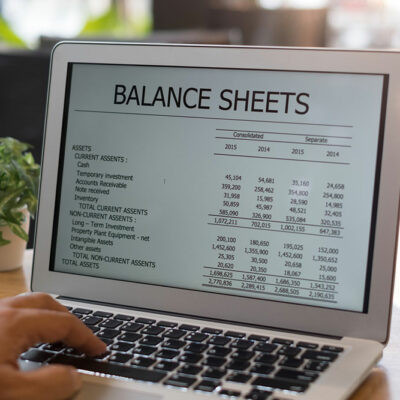
Accounting is a crucial process for businesses of all sizes, and it requires a high level of precision and accuracy. Therefore, many organizations are now using accounting software to minimize the risk of human errors. However, mistakes are often encountered despite using automated software. Even a minor error can lead to significant problems for the business. Therefore, it’s important to be aware of the potential failures of accounting software, which can ultimately lead to business risks. What is the function of an accounting software? Before getting into different issues encountered with accounting software, it is crucial to understand the ways in which it can benefit an organization. Generally, an organization uses accounting software for the following purposes: Automation of financial process Quick access to critical information Efficient workflow when a large amount of data is involved Accurate calculations and precise processing of operations Challenges involved in the development of accounting software Accounting software can be a useful tool for businesses and professionals to keep track of sales, profits, cash flow, cash reserves, loan allocations, and billing information. This is often sufficient for small businesses. However, larger businesses may require more advanced accounting software that has the capability of generating balance sheets, bank balances, and the value of creditors, debtors, and assets.
Read More