
Home : Top shops list
8 reasons for renting a coworking office space

8 reasons for renting a coworking office space

Coworking has become quite popular as an alternative to working from home offices and coffee shops. There are a lot of reasons for its popularity. To begin with, coworking spaces are known to offer a positive work environment. Apart from this, those who work in these spaces can easily share resources, facilities, tools, and services. For organizations looking to increase productivity, coworking spaces offer several opportunities for collaboration and teamwork. What is coworking? Coworking arrangements are similar to people setting up their laptops to work in coffee shops or libraries. But, the setting is more like a traditional office. So, a coworking space has different layouts, membership options, and setups. Usually, such spaces have bring-your-own-device (BYOD) workstations along with shared amenities such as kitchenettes, internet access, and printing services. Several organizations today are using these spaces to lower office space costs. Who uses coworking spaces? These spaces can be used by organizations as well as independent workers. From freelancers to entrepreneurs, be it large teams or startups, anyone can use coworking office spaces. Such spaces can be used by someone who typically works from home or needs their own workplace to rent. At times , even non-profit groups make use of coworking spaces, especially when they receive subsidized membership rates.
Read More
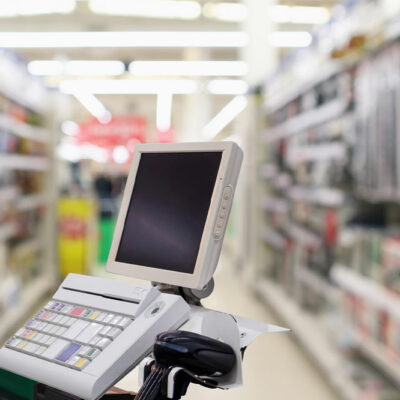
9 best POS systems for small businesses

9 best POS systems for small businesses

A POS (point-of-sale) system is used in retail stores to manage transactions. Earlier, POS systems were fairly simple and would generally only include cash registers. However, with the advancement of technology, these systems now also include a combination of hardware and software, such as barcode scanners, card readers, cash drawers, and receipt printers. Some simple POS systems can include as little as a credit card scanner connected to a tablet. What does a POS system do? Scans items with ease When a customer decides to make a purchase at a physical store, a POS system can assist in completing the transaction. This may occur via a sales associate who uses a barcode scanner to look up the item’s price or using a scanner via your phone camera. When shopping online, adding items to the cart initiates the purchase process. Calculates the price of the item The POS also calculates the final price of the item, including any discounts, offers, or taxes to be added. It then digitally updates your inventory to mark the item as sold. Allows multiple payment options Next, it is time to make the payment. Depending on the POS used, customers can use their credit card, tap card, debit card, loyalty points, gift card, or cash to pay.
Read More
Top 7 banner design mistakes and how to avoid them

Top 7 banner design mistakes and how to avoid them

Using banners is an efficient way to promote a business and its offerings. The design of a banner can significantly influence how potential customers and clients perceive a company and its offerings, so it’s necessary to get it right. Elements such as visual appeal, presentation of information, and amount of information conveyed all play a key role. To help businesses improve their banner designs, here are some common mistakes to avoid. Incorrectly spelled words and typos Typos, misspellings, and grammar mistakes represent the rookie errors one could make while designing a banner. Typos leave a wrong impression on viewers, especially when they see it on a reputed site. Additionally, such mistakes can completely negate all the effort that copywriters, designers, publishers, and media teams put into conceptualizing, ideating, and creating a banner. Spelling mistakes also badly derail the messaging aspect of a banner. For instance, consider a situation where the term “mother’s destiny” on a healthcare-based product is misspelled as “mother’s density.” The audience will simply not get what the banner is trying to convey. Moreover, typos and grammar errors on a banner also make the viewing audience feel that the business does not care enough for its image in the public eye.
Read More
9 common mistakes to avoid with trademark registration

9 common mistakes to avoid with trademark registration

Building a business takes a lot of time, money, and effort. Thus, it is no surprise that companies want to protect their intellectual and financial investments by applying for trademark registration. A trademark is defined as an intellectual property (symbol, logo, words, or phrases) legally registered to identify products or services from a particular entity. This article enlists nine common mistakes one must avoid making when registering a trademark: Not filing for trademark protection The reach of the ™ symbol (also known as the common law trademark) is limited to the geographic boundaries of one’s company. To protect this trademark, one must register their company with the U.S. Patent and Trademark Office (USPTO). To do so, file a trademark application with the organization. Upon receiving a trademark grant from them, businesses can use the ® symbol. Forgetting to research similar trademarks According to USPTO guidelines, it is advisable to scroll through their trademark filing database. This gives companies a better idea of trademarks that have been registered, applied, are in use, or those that have been canceled or abandoned. It is important to note that company taglines also qualify for trademark registration and must be checked thoroughly before applying. Not having a distinctive trademark Filing for a trademark is a tedious as well as expensive process.
Read More
Showing 17-24 Results of 20

010203

  • About Us
  • Contact Us
  • Privacy Policy
  • Advertiser Information
  • Terms of Service

© 2026 BusinessColumns.com. All Rights Reserved.

e