

| Primary retail liability exposure (brick-and-mortar) | Slip-and-fall and premises injury claims (Insurance Information Institute) |
| Top digital retail risk | Customer data breach / cyber incident |
| Common policy bundle for small retailers | Business Owner's Policy (BOP) (Combines general liability and commercial property) |
| Specialty coverage for high-value inventory | Scheduled inland marine or property endorsement |
| Inventory risk during peak seasons | Standard limits may not reflect peak stock value (Review coverage limits before major buying cycles) |
Why Retail Insurance Isn't One-Size-Fits-All
The retail sector is broad - spanning grocery chains, boutique clothing shops, online marketplaces, and everything in between. While all retailers share some baseline risks, the specific exposures differ considerably depending on how products are sold, what they are, and who buys them. A brick-and-mortar store faces foot-traffic liability; a pure-play e-commerce retailer faces data breach and shipping disputes. Understanding these distinctions is the starting point for making informed coverage decisions.
| Primary retail liability exposure (brick-and-mortar) | Slip-and-fall and premises injury claims (Insurance Information Institute) |
| Top digital retail risk | Customer data breach / cyber incident |
| Common policy bundle for small retailers | Business Owner's Policy (BOP) (Combines general liability and commercial property) |
| Specialty coverage for high-value inventory | Scheduled inland marine or property endorsement |
| Inventory risk during peak seasons | Standard limits may not reflect peak stock value (Review coverage limits before major buying cycles) |
For a structured framework on evaluating which policies apply to your specific operations, see our coverage assessment guide.
Brick-and-Mortar Retail: Physical Premises Exposures
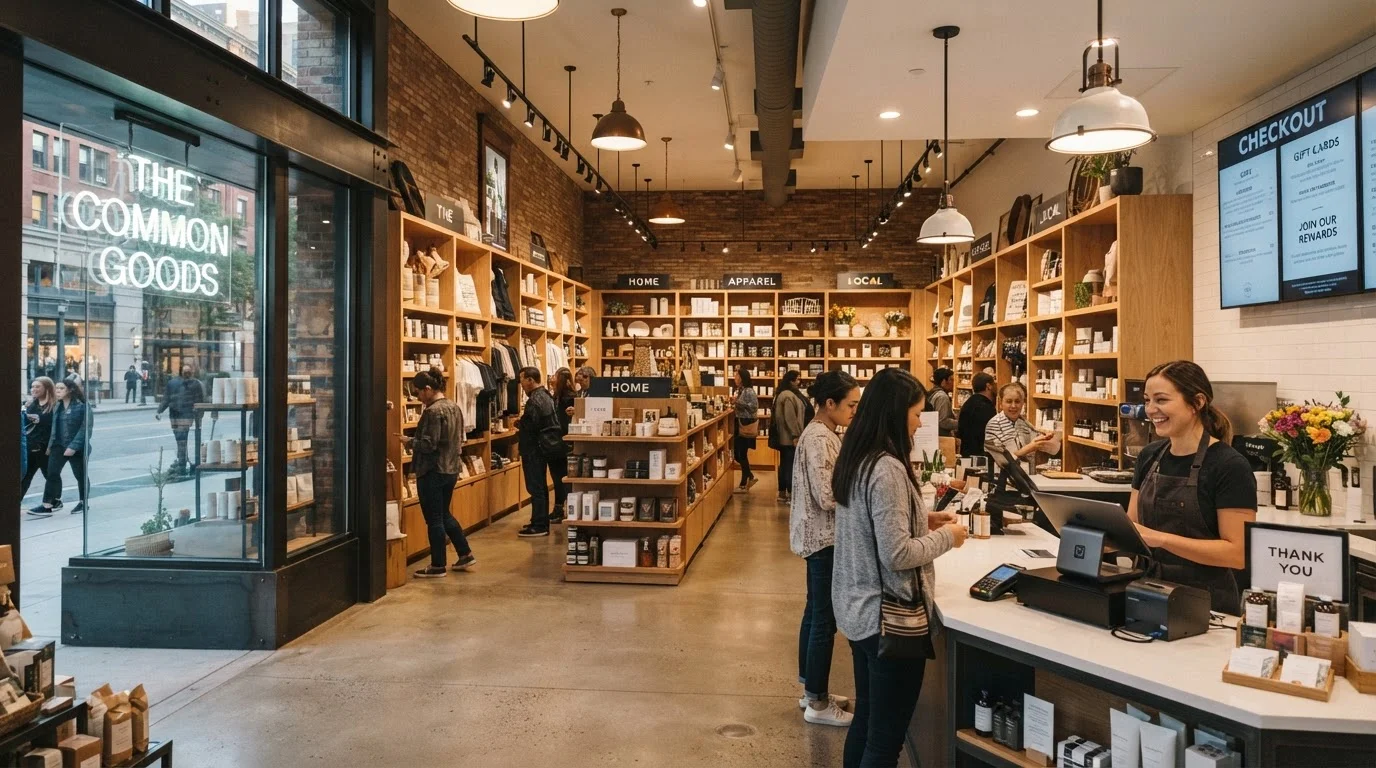
Retailers with physical locations carry exposures that are directly tied to their property and the people who enter it.
- General Liability Insurance: Covers bodily injury and property damage claims arising from customer interactions on-site - slip-and-fall incidents being among the most common retail claims.
- Commercial Property Insurance: Protects the building (if owned), inventory, fixtures, and equipment against perils such as fire, theft, and certain weather events.
- Business Interruption Insurance: Compensates for lost revenue when a covered event - such as a fire - forces a temporary closure.
- Crime Insurance: Covers losses from employee theft, shoplifting-related internal fraud, and robbery, all of which represent meaningful exposures for physical retail environments.
General Liability Insurance
A foundational business policy covering third-party claims of bodily injury and property damage arising from business operations. For retailers, it commonly applies to customer incidents on premises.
Product Liability Insurance
Coverage for claims arising from physical harm or property damage caused by a product the business sells, distributes, or manufactures. Often included within general liability policies, but limits and exclusions vary.
Cyber Liability Insurance
A policy designed to cover costs related to data breaches, cyberattacks, and related regulatory or legal consequences. Particularly relevant for businesses that process customer payment or personal data.
Business Interruption Insurance
Coverage that compensates a business for income lost during a period when operations are suspended due to a covered event, such as fire or certain property damage. It does not typically cover all causes of closure.
Inland Marine Insurance
Despite its name, this coverage applies to goods and equipment in transit or temporarily stored away from the primary business location. Frequently used by retailers managing inventory across multiple sites or carriers.
Commercial Property Insurance
Covers physical assets owned by a business - including buildings, inventory, and equipment - against covered perils such as fire, theft, and wind damage. Policy terms determine exactly what is and is not included.
Retailers operating across both physical and digital channels should also consider how their coverage addresses the intersection of those environments - physical inventory fulfilling online orders, for example, introduces logistics liability questions not fully addressed by a standard property policy.
E-Commerce Retail: Digital and Logistics Exposures
Online retailers have a different risk architecture. Without a public-facing premises, general liability is less prominent - but cyber and product liability risks are amplified.
- Cyber Liability Insurance: Addresses costs arising from data breaches, ransomware, and unauthorized access to customer payment or personal data. E-commerce platforms routinely collect sensitive information, making this coverage highly relevant.
- Product Liability Insurance: If a product sold through an online channel causes harm to a buyer, the retailer may face liability regardless of whether they manufactured the item. This is a critical consideration for marketplace sellers and private-label brands alike.
- Inland Marine / Cargo Insurance: Covers goods in transit - a major operational risk for businesses relying on third-party carriers for fulfillment.
It is worth noting that standard commercial property policies often exclude goods stored in third-party warehouses or fulfillment centers. Retailers using outsourced logistics should confirm how their inventory is covered when not on their own premises.
Specialty Retail Segments and Additional Exposures
Certain retail sub-sectors carry exposures that generic retail policies may not adequately address.
- Apparel and Fashion Retail: Seasonal inventory swings can leave businesses underinsured during peak stock periods. Review inventory values with your insurer before major buying cycles.
- Pharmacy and Health Product Retail: Product liability exposure is elevated given the health implications of the goods sold. Regulatory compliance gaps can compound liability risk.
- Jewelry and High-Value Goods: Standard property limits may be insufficient. Scheduled personal property riders or specialized inland marine policies are often used to cover high-value items adequately.
- Grocery and Food Retail: Spoilage of temperature-sensitive inventory is a specific exposure; some commercial property policies include spoilage coverage as an endorsement.
Third-Party Warehousing and Coverage Gaps
E-commerce retailers using fulfillment centers or third-party logistics providers should verify whether their commercial property policy extends to inventory stored off-premises. Standard policies often do not automatically cover goods held at external warehouses. An inland marine endorsement or separate cargo policy may be necessary to close this gap. Always review actual policy language and consult your insurer.
For businesses that span multiple retail formats or operate in more than one industry vertical, coverage questions become more complex. Evaluating coverage for multi-sector businesses provides a structured approach for those situations.
Before your next renewal, reviewing whether your existing policies still align with your current risk profile is advisable. A sector-specific audit approach is outlined in this coverage audit checklist.
This article is for general informational and educational purposes only and does not constitute personalized insurance, legal, or financial advice. Coverage terms, exclusions, and availability vary by insurer and jurisdiction. Consult a licensed insurance professional to evaluate the policies appropriate for your specific business circumstances.