

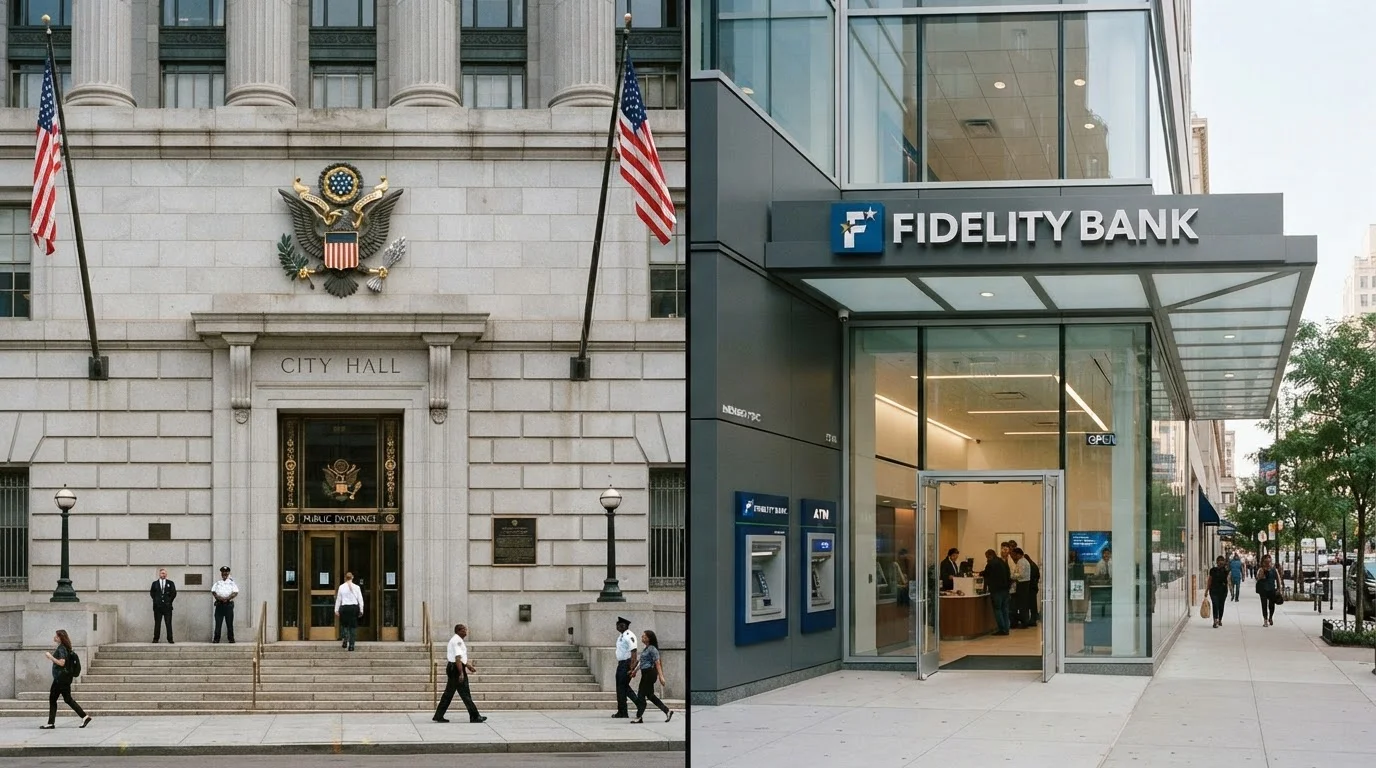
Key Takeaways
Option A
SBA Loans
The government-backed option designed to expand lender access for small businesses.
Best for: Businesses that lack sufficient collateral or credit history to qualify for conventional financing on acceptable terms.
Option B
Conventional Bank Loans
The standard commercial lending path for creditworthy, established borrowers.
Best for: Businesses with strong financials, established credit, and collateral that want faster decisioning and fewer documentation requirements.
If your business has limited collateral or a shorter operating history
SBA Loans
The SBA guarantee reduces the lender's exposure, making approval more accessible for businesses that would not meet conventional underwriting standards.
If you need funding quickly and have strong financials
Conventional Bank Loans
Conventional lenders can often close in weeks rather than months, and established borrowers face fewer procedural hurdles.
If you are financing a long-term real estate or equipment purchase
SBA Loans
SBA 504 and 7(a) programmes allow repayment terms up to 25 years for real estate, reducing monthly payment pressure significantly.
If your business generates consistent revenue and you want minimal fees
Conventional Bank Loans
Conventional loans do not carry SBA guarantee fees, which can add 0.25%-3.75% of the guaranteed portion to upfront borrowing costs.
How the Two Lending Models Work
Understanding the structural difference between these two loan types is the essential starting point. SBA loans are not issued by the U.S. Small Business Administration itself - they are originated by SBA-approved private lenders, including banks, credit unions, and certified development companies. The SBA guarantees a portion of the loan (typically 75%-85%), which compensates the lender if the borrower defaults. That guarantee is the mechanism that allows lenders to extend credit to businesses they would otherwise consider too risky.
Conventional bank loans carry no government backstop. The lender assumes 100% of the default risk, which is why underwriting standards are generally more stringent. Lenders evaluate debt-service coverage ratios, business credit profiles, and collateral values more conservatively. For a broader orientation to how these facilities fit within the full lending ecosystem, see our guide to the business lending landscape.
| Criterion | SBA Loans | Conventional Bank Loans |
|---|---|---|
| Government guarantee | Yes - 75%-85% of loan | None |
| Maximum loan amount (common programmes) | Up to $5 million (7a) | Varies; no federal cap |
| Typical approval timeline | 60-90 days | 2-4 weeks |
| Interest rate structure | Capped; tied to prime rate | Market-determined by lender |
| Down payment / equity injection | Often 10% | Typically 20%-30% |
| Guarantee fee | Yes - up to 3.75% of guaranteed portion | No |
| Collateral requirement | Required when available; not sole disqualifier | Generally required in full |
| Maximum repayment term (real estate) | Up to 25 years | Typically 15-20 years |
Eligibility, Rates, and Timelines Compared
SBA eligibility rules are set by federal regulation. Borrowers must operate a for-profit business, meet SBA size standards (which vary by industry), demonstrate a need for the loan, and show they cannot obtain financing on reasonable terms elsewhere. The most widely used programme, the SBA 7(a) loan, covers working capital, equipment, and real estate up to $5 million. The SBA 504 programme focuses specifically on fixed assets and is administered through Certified Development Companies.
Interest rates on SBA 7(a) loans are capped - the SBA publishes maximum allowable rates tied to the prime rate, providing a ceiling that protects borrowers. Conventional loan rates are set entirely by the lender based on creditworthiness and market conditions, meaning a highly qualified borrower may secure a competitive rate, while a marginal applicant may face pricing that approaches or exceeds SBA caps.
$27.5B+
SBA 7(a) loans approved in fiscal year 2023
According to SBA fiscal year 2023 lending data, the 7(a) programme remains the agency's largest and most flexible loan guarantee vehicle.
75%-85%
Portion of SBA loan guaranteed by the federal government
The guarantee percentage depends on loan size and programme type, as outlined in SBA Standard Operating Procedure 50 10 7.
60-90 days
Typical SBA loan processing timeline
Processing time varies by lender, loan complexity, and whether the lender holds SBA Preferred Lender Programme status, which can shorten review.
Timeline is a significant practical consideration. SBA loans involve additional federal documentation - including SBA Form 1919 (borrower information), personal financial statements, and business plan requirements for newer companies. End-to-end processing commonly takes 60-90 days. Conventional loans, particularly for well-documented borrowers, can close in 2-4 weeks. Hospitality businesses exploring SBA options should consult our article on SBA loans for hotels for sector-specific context.
Collateral, Fees, and Long-Term Considerations
Collateral requirements differ in degree rather than kind. Both loan types typically require collateral - real estate, equipment, or business assets - when it is available. However, SBA guidelines state that lenders should not decline a viable loan application solely because of insufficient collateral; the guarantee is intended to partially compensate. Conventional lenders are under no such obligation and may require full collateralization.
SBA borrowers pay an upfront guarantee fee that conventional borrowers do not. For loans over $150,000, this fee ranges from approximately 0.25% to 3.75% of the guaranteed portion, depending on loan size and term. That cost should be weighed against the benefit of lower down payment requirements - SBA loans often require 10% equity injection versus 20%-30% typical of conventional commercial mortgages.
Business credit health matters in both scenarios. Our business credit hub covers how to build and monitor the credit profile lenders will scrutinize during underwriting. For businesses exploring non-debt funding as an alternative or supplement, the business grants hub outlines federal and state grant programmes that do not require repayment.
This article provides general educational information about business lending options and is not personalized financial, legal, or tax advice. Loan eligibility, rates, and terms vary by lender, programme, and individual business circumstances. Consult a qualified financial adviser, accountant, or licensed lending professional before making borrowing decisions.