

Key Takeaways
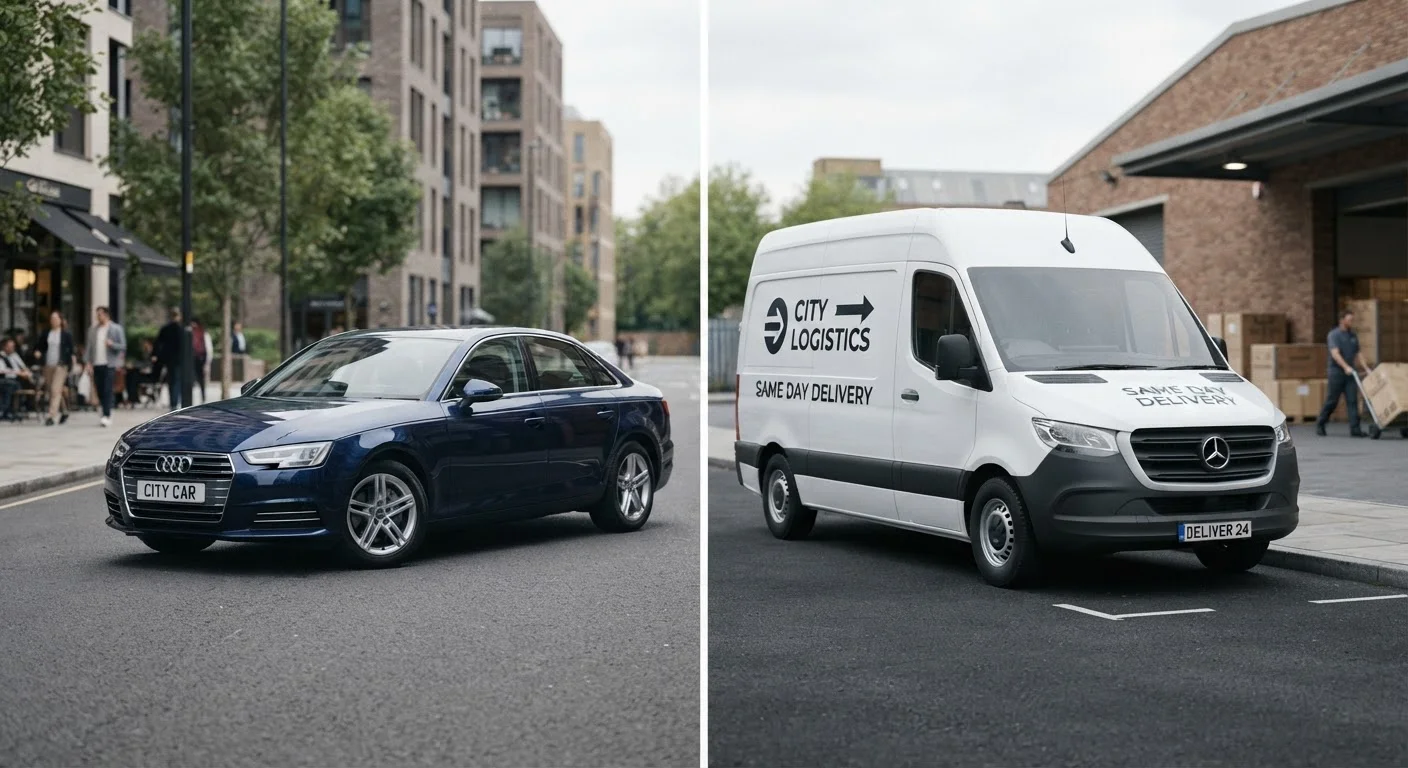
Option A
Personal Auto Insurance
Designed for private, non-commercial driving needs.
Best for: Individuals using a vehicle primarily for commuting and personal errands, not for revenue-generating business activities.
Option B
Commercial Auto Insurance
Purpose-built for vehicles used in business operations.
Best for: Business owners and employees who regularly drive for work purposes, haul equipment, or operate company-owned vehicles.
If you occasionally run personal errands in a company-owned vehicle
Commercial Auto Insurance
Company-owned vehicles generally require commercial policies regardless of how often they are used for strictly personal driving.
If you use your personal car solely to commute to a fixed workplace
Personal Auto Insurance
Commuting to a single, fixed location is typically considered personal use and is covered under standard personal auto policies.
If you transport clients, make deliveries, or travel between job sites regularly
Commercial Auto Insurance
Frequent business-purpose driving significantly elevates liability risk, which personal policies are not designed to cover.
If employees drive their own vehicles on company business
Commercial Auto Insurance
A hired and non-owned auto (HNOA) endorsement or standalone commercial policy can cover business liability when employees use personal vehicles for work tasks.
Why the Distinction Matters
Many business owners assume their personal auto policy extends to work-related driving. This assumption carries real financial risk. Most personal auto insurance policies contain exclusions that void coverage when a vehicle is used for business purposes - a detail that often surfaces only after a claim is denied.
The consequences of a coverage gap in this area can be severe. An at-fault accident while delivering goods or driving to a client meeting could expose a business owner to uncovered liability claims, vehicle repair costs, and potential legal expenses. Understanding how these two policy types differ is a foundational step in managing business risk responsibly. For a broader overview of how different coverage categories work together, see Business Insurance Coverage Types: A Field Guide for US Companies.
| Criterion | Personal Auto Insurance | Commercial Auto Insurance |
|---|---|---|
| Primary use covered | Personal, commuting, leisure | Business operations, deliveries, client travel |
| Vehicle ownership | Individually owned vehicles | Company-owned or leased; also non-owned/hired |
| Driver coverage | Named insured and household members | Named drivers including employees |
| Liability limits | Calibrated to personal risk | Higher limits for business exposure |
| Business-use exclusions | Typically excludes business activities | Designed to cover business activities |
| Fleet coverage | Not applicable | Can cover multiple vehicles under one policy |
| Cargo / equipment coverage | Generally excluded | Available as add-on coverage |
Key Structural Differences Between the Two Policies
Personal auto insurance is underwritten based on personal driving patterns, household risk factors, and non-commercial use. Premiums reflect personal risk profiles, and coverage limits are generally calibrated to individual, rather than business, liability exposure.
Commercial auto insurance, by contrast, accounts for the elevated risk associated with business operations. Policies can cover a fleet of vehicles, multiple drivers including employees, higher cargo values, and greater daily mileage. Liability limits are typically higher, reflecting the broader financial exposure businesses face in the event of an accident.
Several coverage elements appear in both policy types - such as collision, comprehensive, and uninsured motorist protection - but their terms, limits, and exclusions can differ substantially. Business owners should not assume that a feature present in one policy translates identically to the other.
~60%
Small businesses using personal vehicles for work
Industry estimates suggest a majority of small business owners use personally-owned vehicles for at least some business activities, creating widespread exposure to coverage gaps.
4-5x
Higher liability limits in commercial vs. personal policies
Commercial auto policies commonly offer liability limits several times higher than standard personal auto policies to reflect elevated business risk.
It is also worth noting that some personal auto insurers offer business-use endorsements that extend limited coverage for certain low-risk business activities. However, these endorsements have significant limitations and are generally not appropriate for businesses that rely heavily on vehicle use. A licensed agent can help determine whether an endorsement is sufficient or whether a standalone commercial policy is necessary.
Scenarios That Commonly Create Coverage Gaps
The line between personal and business use is not always obvious, and insurers draw it precisely. Common scenarios that may trigger a business-use exclusion on a personal policy include:
- Driving to multiple client or customer locations throughout the workday
- Transporting tools, equipment, or inventory in a personal vehicle
- Rideshare or delivery platform participation (which often requires a separate rideshare endorsement or policy)
- Employees using personal vehicles to perform tasks at an employer's direction
The last scenario - often called "non-owned auto" liability - is a particularly common source of unpleasant surprises. If an employee causes an accident while running a business errand in their own car, the employer may be exposed to liability even though neither party holds a commercial policy covering that vehicle. This is one of the coverage gaps that catch business owners off guard.
Businesses that span industries or operate across multiple service categories face even more layered questions about which vehicles, drivers, and activities require commercial coverage. See Evaluating Insurance Needs When Your Business Operates in Multiple Sectors for guidance on navigating complex risk profiles.
Non-Owned Auto Liability: A Closer Look
When employees use their personal vehicles for work tasks, a business may be held vicariously liable for accidents that occur. Hired and Non-Owned Auto (HNOA) coverage can be added to a commercial policy or a general liability policy to address this exposure. It does not replace the employee's personal auto policy but fills the gap on the business liability side. Employers should review their current policies to determine whether this protection is already in place.
This article provides general information about commercial and personal auto insurance concepts. It is not personalized insurance, financial, or legal advice. Coverage terms, exclusions, and eligibility vary by insurer, policy, and state. Consult a licensed insurance agent or adviser to evaluate the right coverage for your specific situation.