

Key Takeaways
Why the Lifecycle Stage Matters for Financial Aid
Financial aid is not a single, static resource pool - it's a shifting landscape that responds to where a business stands in its growth journey. Lenders, grant administrators, and government agencies evaluate applicants differently depending on whether a business has zero revenue, two years of tax returns, or a decade of operating history.
Understanding this dynamic is essential for any business owner seeking funding. Applying to the wrong program at the wrong stage wastes time and can generate unnecessary rejection records. Conversely, identifying the programs calibrated to your current phase dramatically improves your odds of success.
For a broader orientation on the categories available at any stage, see our guide on types of financial aid available to US small businesses.
$50,000
Maximum SBA Microloan for startups
The SBA Microloan Program provides up to $50,000 through nonprofit intermediaries to support very small and early-stage businesses.
$5.5M+
SBA 504 loan ceiling for major assets
SBA 504 loans can exceed $5.5 million for eligible manufacturing or energy-efficient projects, according to SBA program guidelines.
13
Federal agencies participating in SBIR
Thirteen federal agencies fund early-stage R&D through the Small Business Innovation Research program, spanning sectors from defense to health.
Early-Stage Aid: Funding the Launch
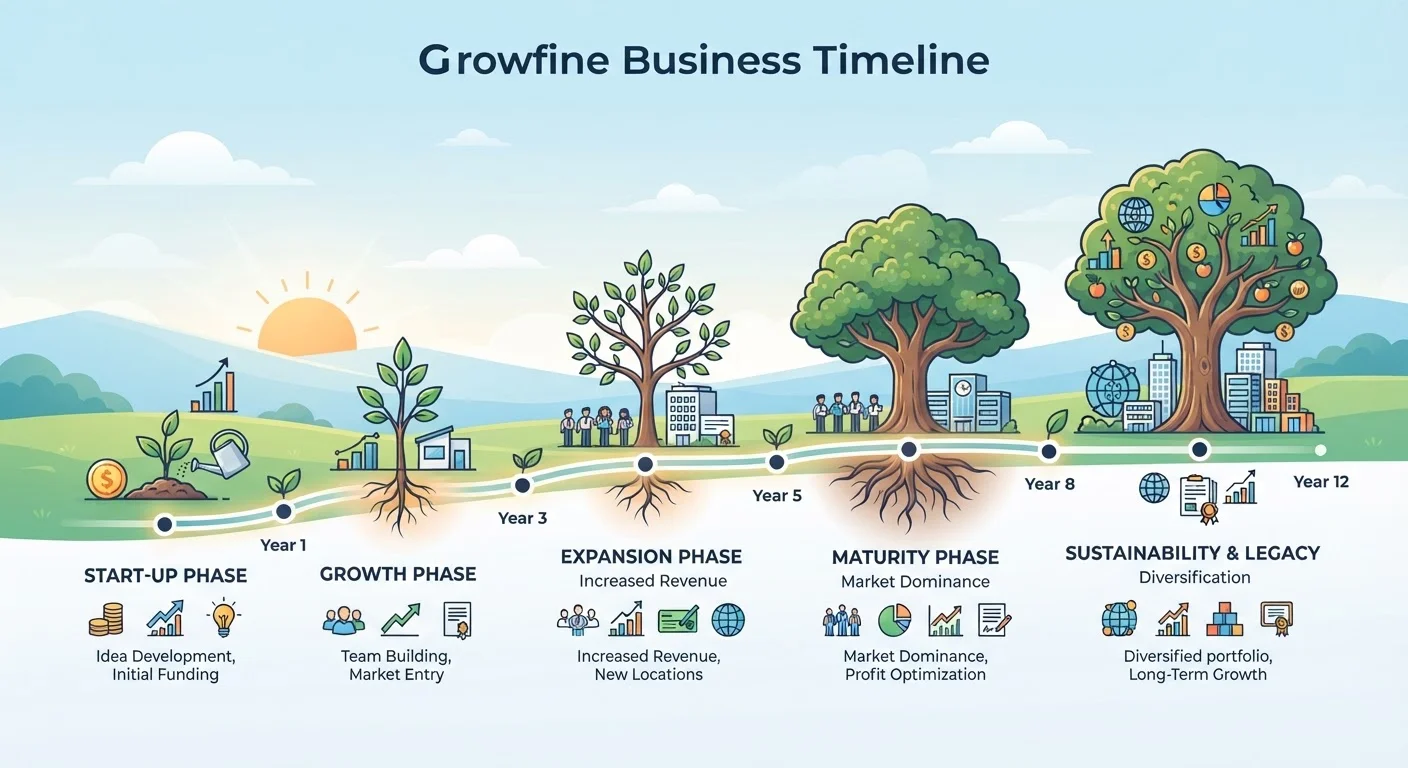
In the pre-revenue and early-revenue phase - typically the first one to two years - businesses face a fundamental challenge: most traditional lenders require proof of income that simply doesn't exist yet. Aid options at this stage are structured specifically to bridge that gap.
Grants for Startups
Federal and state agencies, along with private foundations, offer grants targeted at new ventures, particularly in sectors like technology, agriculture, manufacturing, and underserved communities. The Small Business Innovation Research (SBIR) and Small Business Technology Transfer (STTR) programs are federal examples that fund early-stage R&D. Eligibility is narrow, but the non-dilutive nature of grants - meaning no equity or repayment required - makes them highly valuable. See our introduction to business grant funding for eligibility basics.
Microlending Programs
The SBA's Microloan Program provides loans up to $50,000 through nonprofit intermediary lenders. These are specifically designed for startups and very small businesses that lack collateral or credit history. Funds can cover equipment, inventory, working capital, or supplies - but not existing debt.
CDFI and Community Lending
Community Development Financial Institutions (CDFIs) serve businesses in underserved markets with flexible underwriting criteria. They often provide technical assistance alongside capital, which is particularly valuable for first-time business owners.
Start with Technical Assistance, Not Just Capital
Many early-stage programs - particularly CDFIs and SBDCs - offer business advisory services alongside or before funding. Engaging these resources before applying strengthens your application and helps you identify the right funding mix. Don't overlook the coaching component in your search for capital.
Growth-Phase Aid: Bridging the Gap
Once a business has established revenue, operational history, and ideally some credit track record, a wider range of aid becomes accessible. This phase - typically years two through five - is when companies often face the most acute capital tension: growing demand but insufficient cash flow to fund it.
SBA 7(a) Loans
The SBA's 7(a) loan program is the agency's primary vehicle for small business financing, offering loans up to $5 million for working capital, equipment, real estate, and more. Borrowers apply through SBA-approved lenders, and the government guarantees a portion of the loan - reducing lender risk and improving approval rates for businesses that might not qualify for conventional financing.
State and Local Grant Programs
Many state economic development agencies and local governments offer grants tied to job creation, industry development, or geographic revitalization. These programs often have shorter application cycles than federal grants and can be more flexible. Researching your state's economic development office is a practical first step.
Before applying for any growth-phase loan, pull your business credit report and resolve any errors - lenders reference these scores heavily, and even a small discrepancy can affect terms.
Business credit reports from agencies like Dun & Bradstreet, Experian Business, and Equifax Business directly influence underwriting decisions for SBA and conventional loans.
Contact your state's Small Business Development Center (SBDC) before submitting a grant application - they offer free application review and can flag eligibility gaps that are difficult to spot internally.
SBDCs are federally funded and provide no-cost advising; their grant expertise is particularly valuable because rejection patterns differ significantly across program types.
For a comparison of how credit development intersects with financing access at this stage, see how business credit evolves through each growth stage.
Expansion-Phase Aid: Scaling with Support
Established businesses with multi-year operating histories and proven revenue streams can access some of the largest and most structured aid programs available. This phase - typically beyond year five - introduces programs that assume institutional capacity and compliance infrastructure.
SBA 504 Loans
The SBA 504 program funds major fixed assets - commercial real estate, large equipment - through a structure involving a private lender, a Certified Development Company (CDC), and borrower equity. Loan amounts can reach $5.5 million or more depending on the project type, making this a primary tool for facility acquisition or significant capital investment.
Export Assistance Programs
The SBA's Export Working Capital Program and the Export-Import Bank of the United States (EXIM Bank) offer financing and guarantees specifically for businesses pursuing international sales. These programs can backstop export transactions that private lenders might view as too risky.
New Markets Tax Credit and Development Incentives
Businesses investing in low-income communities may access capital through the New Markets Tax Credit (NMTC) program, which attracts private investment to underserved areas by offering tax incentives to investors. Eligibility and structure are complex - consulting a financial adviser or CDFI is essential before pursuing this route.
Compliance Obligations Can Be Significant
Expansion-phase programs like the NMTC and larger federal grants come with substantial reporting, audit, and compliance requirements. Failing to meet these obligations can trigger repayment demands or disqualify you from future programs. Always assess your administrative capacity before committing to a complex aid instrument.
Matching Aid Type to Business Needs
No single aid type fits every stage, and the best funding strategy typically combines instruments. A startup might pair an SBIR grant with a CDFI microloan; a growth-phase company might layer a state workforce grant with an SBA 7(a) loan; an established business might pursue a 504 loan alongside export financing.
Key factors to match across any stage include:
- Repayment vs. non-repayment: Grants don't require repayment; loans do. A business with uncertain revenue should weight non-dilutive options more heavily.
- Use-of-funds restrictions: Many programs restrict how funds can be used. Misapplication can result in disqualification or clawback obligations.
- Reporting and compliance burden: Federal grants in particular carry significant administrative requirements. Ensure your team has the capacity before applying.
See financial aid basics for small business owners for a structured starting point, and explore business grant opportunities by category to identify programs aligned with your industry and location.
Aid Programs Change Frequently
Federal and state aid programs are subject to appropriations cycles, policy shifts, and sunset dates. A program available today may be paused, restructured, or closed in a subsequent fiscal year. Always verify current program status and requirements directly through the administering agency before investing significant time in an application.
Next Steps and Professional Guidance
Navigating financial aid across a business lifecycle requires ongoing reassessment - the program that fits today may not be the right fit in eighteen months. Building a funding roadmap as part of your broader long-term financial planning process helps ensure you're positioned to apply when eligibility windows open.
For a practical walkthrough of the application process itself, see the financial aid application process step by step.
Practical next actions:
- Identify your current lifecycle stage and document your revenue, credit, and operating history.
- Research one federal and one state program appropriate to your stage and industry.
- Contact your regional SBA office or a SCORE mentor for a no-cost consultation.
- Build or update your business plan and financial projections before any application.
Seek Professional Guidance Before Applying
Financial aid programs - especially those involving federal grants, SBA loans, or tax credit structures - carry legal, financial, and compliance implications specific to your business situation. A licensed financial adviser, CPA, or attorney can help you evaluate options accurately and avoid costly application errors. General information in this article does not substitute for personalized professional advice.
This article is for general informational and educational purposes only. It does not constitute financial, legal, or tax advice. Program terms, eligibility criteria, and availability change over time. Consult a licensed financial adviser, CPA, or attorney before making decisions specific to your business situation.